
Supply Chain Management - Technology

Technology
Technology is examined both as:
- means of making operations more efficient, agile, or capable;
- means of linking together organizations and providing visibility across the entire supply chain.
One of the biggest changes in the past 15 or 20 years has been the ability to use information technology to virtually integrate companies across the supply chain so that they can exchange information on orders and transactions more quickly and efficiently.
The image below provides a simplified view of some of the many information tranfers that occur between various partners in the supply chain. These usually include:
- purchase orders;
- manifests;
- invoices;
- electronic payments;
- forecasts;
- receiving/acknowledgment.
Organizations use a variety of software programs to coordinate and exchange this information.
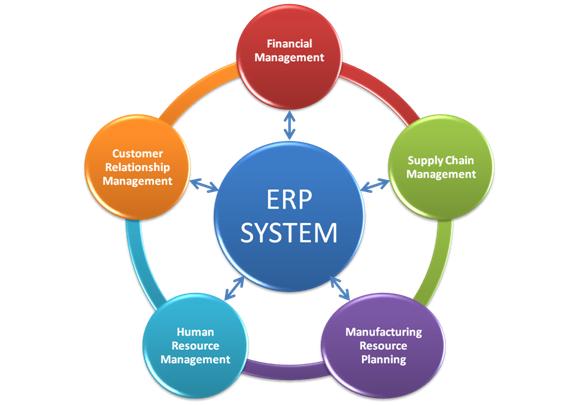
If a company expects to achieve benefits from their supply chain management process, they will require some level of investment in technology. The backbone for many large companies has been the vastly expensive Enterprise Resource Planning (ERP) suites, such as SAP and Oracle. These enterprise software implementations will encompass a company's entire supply chain, from purchasing of raw materials to warranty service of items sold. The complexity of these applications does require a significant cost, not only a monetary cost, but the time and resources required to successfully implement an enterprise wide solution. Buy-in by senior management and adequate training of personnel is key to the success of the implementation. There are now many ERP solutions to choose from and it is important to select one which fits the overall needs of a company's supply chain.
Since the wide adoption of Internet technologies, all businesses can take advantage of Web-based software and Internet communications. Instant communication between vendors and customers allows for timely updates of information, which is key in management of the supply chain.