
• «Fueling your logistics chain»

  • «Go beyond logistics, make the world go round and revolution business»

  • «Taking action, getting results»

  • «Logistics through innovation, dedication, and technology»

  • «Possibility in every direction»

  • «Ready, set, done»

  • «Special handling. Extra service»

  • «Thinking the way forward»

  • «Your navigator in the world of trade»

  • «Leadership and learning are indispensable to each other»

  • «Leadership is the capacity to translate vision into reality»

  • «Power beyond cargo»

  • «All time management begins with planning»

  • «Management is doing things right; leadership is doing the right things»

  • «Leading and inspiring people»

  • «Leadership is thinking and talking about the solutions»

  • «Streamlining your supply chain»

  • «Business acceleration through digital communication»

Portfolio - Article viewer

Supply Chain Management

Supply Chain

Supply Chain Management activities


To ensure that the supply chain is operating as efficient as possible and generating the highest level of customer satisfaction at the lowest cost, companies have adopted Supply Chain Management processes and associated technology.


Supply Chain Management has three levels of activities that different parts of the company will focus on: strategic, tactical and operational.
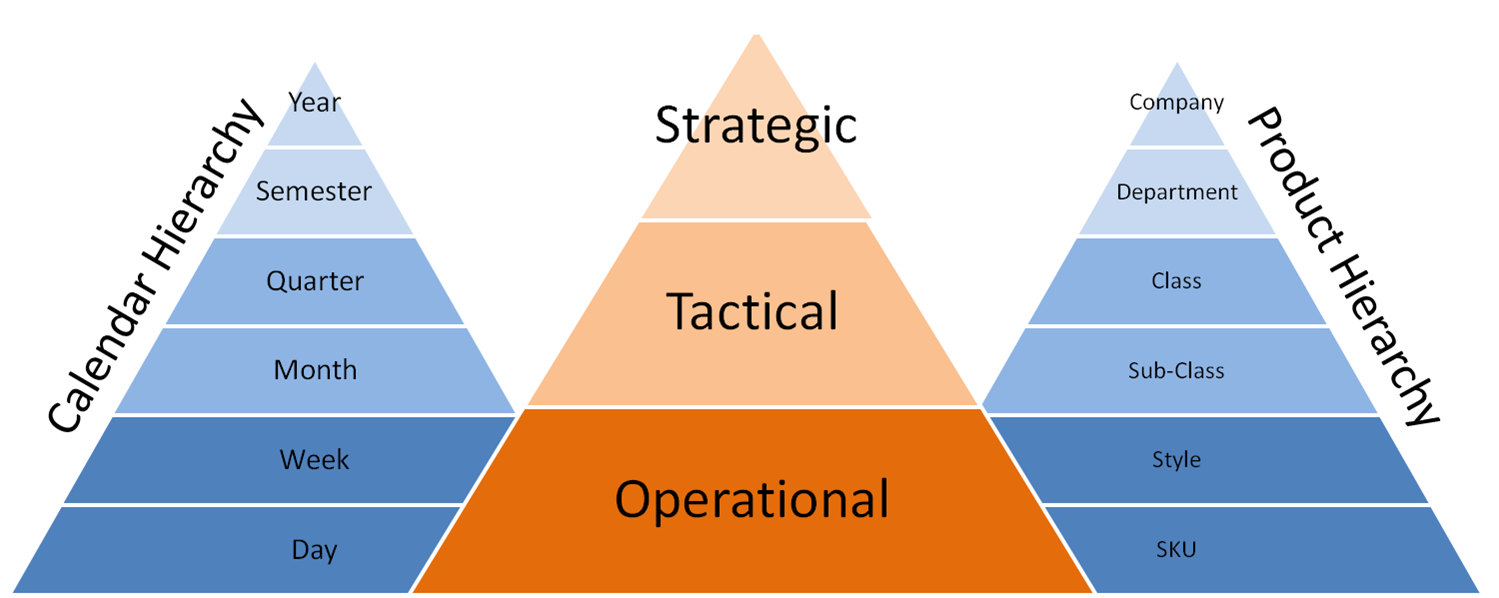

StrategicAt this level, company management will be looking to high level strategic decisions concerning the whole organization, such as the size and location of manufacturing sites, partnerships with suppliers, products to be manufactured and sales markets.
TacticalTactical: Tactical decisions focus on adopting measures that will produce cost benefits such as using industry best practices, developing a purchasing strategy with favored suppliers, working with logistics companies to develop cost effect transportation and developing warehouse strategies to reduce the cost of storing inventory.
OperationalOperational: Decisions at this level are made each day in businesses that affect how the products move along the supply chain. Operational decisions involve making schedule changes to production, purchasing agreements with suppliers, taking orders from customers and moving products in the warehouse.

ERP

The diagram is an illustration of how the boundries between strategic, tactical and operational roles relate to the levels within your hierarchies. The smaller the organisation, the more the boundries merge. In this retail example, the decision making and responsibilities are mapped to the levels within the product and calendar hierarchies.


There are a number of challenges in managing a supply chain across numerous organizations. These include conflicting objectives, mismatched communication systems, differences in organizational culture and national culture, competitive pressures, lack of trust, and government regulations.


Despite these challenges, companies have seen a huge return on investments in broadening their focus to the entire supply chain rather than limiting it simply to operations within their firm. One of the primary reasons that supply chain management has increased recently is the improved capabilities of computers and information technology to facilitate information sharing and cooperation among numerous organizations.


Related articles


Express your feedback

For more information, suggestions, requests, please feel free to contact me by clicking here.

You can also give a quick feedback by ckicking on the buttons below: